How the Avatar Aang Movie Leaked and What It Means for the Franchise
In April 2026, the highly anticipated $80 million feature film Avatar Aang: The Last Airbender was leaked online in its entirety. The breach, linked to a vulnerability on the third-party screening platform Vision Media, resulted in a 26-year-old man's arrest in Singapore. Despite the leak, Paramount Studios proceeded with a revised release strategy, debuting the film officially on July 25, 2026, on Paramount+ and in limited theaters. The leaked version is widely considered a "workprint," lacking the final post-production polish of the theatrical release.
The journey of Avatar Aang: The Last Airbender from a beloved animated series to a high-budget cinematic expansion has been fraught with challenges. As of July 2026, the conversation surrounding the film has been dominated not just by its narrative quality, but by one of the most significant security breaches in modern Hollywood history. When the full feature appeared on social media platforms, it sent shockwaves through Avatar Studios and the broader entertainment industry, raising questions about digital security in an era of streaming-first distributions.
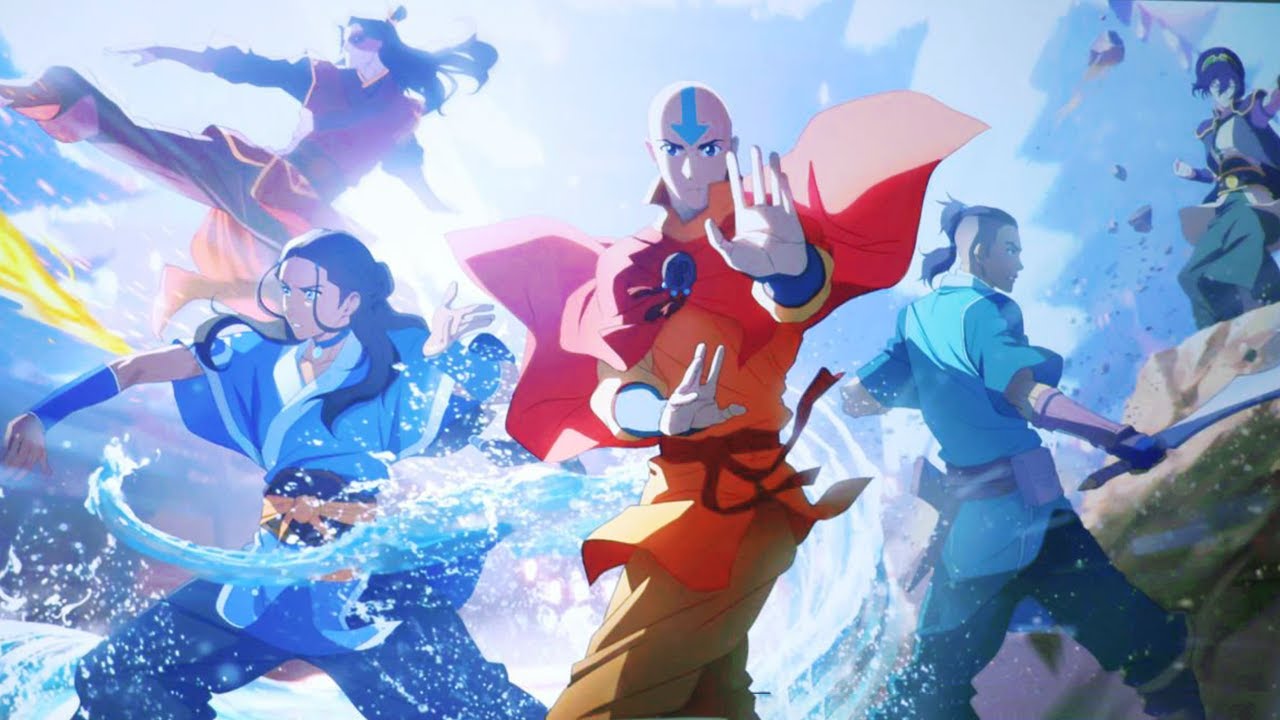
Image source: YouTube
How Did the Entire Film End up Online Months Early?
The leak of the Avatar Aang movie was not a simple case of a misplaced file. While initial rumors suggested an accidental email from Nickelodeon, investigations by Paramount and The Hollywood Reporter revealed a much more sophisticated technical failure. The breach originated at Vision Media, a prominent third-party platform used by studios to host "awards screeners" for critics and industry voters.
The Vision Media Vulnerability
Vision Media serves as a digital bridge between studios and the Academy of Motion Picture Arts and Sciences. According to reports, cybercriminals exploited a vulnerability in the platform's media servers, allowing them to bypass encryption and download high-resolution workprints. Jason Deadrich, CEO of Vision Media, eventually acknowledged that unauthorized parties had gained access to content, marking a significant blow to the company's reputation for security.
Historical Context of Screener Leaks
This incident ranks among the most impactful leaks since the 2015 Hive-CM8 breach, which saw several Oscar contenders hit torrent sites before their theatrical debuts. However, the Avatar leak was unique because it occurred during a period of intense corporate transition. The vulnerability of these third-party platforms highlights a "weakest link" in the Hollywood supply chain, where even an $80 million production is only as secure as the vendor hosting its preview files.
Who Was Arrested in Connection to the Avatar Leak?
The legal fallout from the leak was swift. In collaboration with international authorities, Paramount’s internal security team tracked the initial distribution of the film to a server located in Southeast Asia. This led to the arrest of a 26-year-old man in Singapore, who was charged under the Computer Misuse Act for illegal access to media servers.
According to Slate, the individual was not a disgruntled employee but rather a member of a group specializing in "pre-retail" media theft. The arrest served as a stern warning from Paramount and Skydance Media, signaling that they would aggressively pursue criminal charges against those who compromise their intellectual property. The collaboration between Singaporean police and Hollywood studios underscores the global nature of digital piracy enforcement in 2026.
How the Paramount and Skydance Merger Impacted the Release
To understand why the leak was so damaging, one must look at the corporate backdrop of 2025 and 2026. The merger between Paramount Global and Skydance Media created a period of significant restructuring. During this time, the release strategy for the Avatar Aang movie shifted multiple times, moving from a wide theatrical release to a streaming-exclusive model, and finally to a hybrid "limited theatrical" run.
Corporate Restructuring and Security Lapses
Industry analysts suggest that the chaos of the merger may have contributed to the security lapse. As departments were consolidated and third-party contracts were reviewed, the oversight of screening platforms like Vision Media may have faltered. Furthermore, the shift in distribution strategy—which many fans perceived as a lack of confidence in the film—created a vacuum that leakers were eager to fill.
The Pivot to Paramount+
Following the leak, Paramount accelerated the film's debut on Paramount+. By moving the official release date to July 25, 2026, the studio hoped to recapture the audience that might otherwise have turned to pirated versions. This "streaming-first" pivot was a direct response to the breach, illustrating how modern studios must remain agile when their marketing timelines are disrupted by external actors.
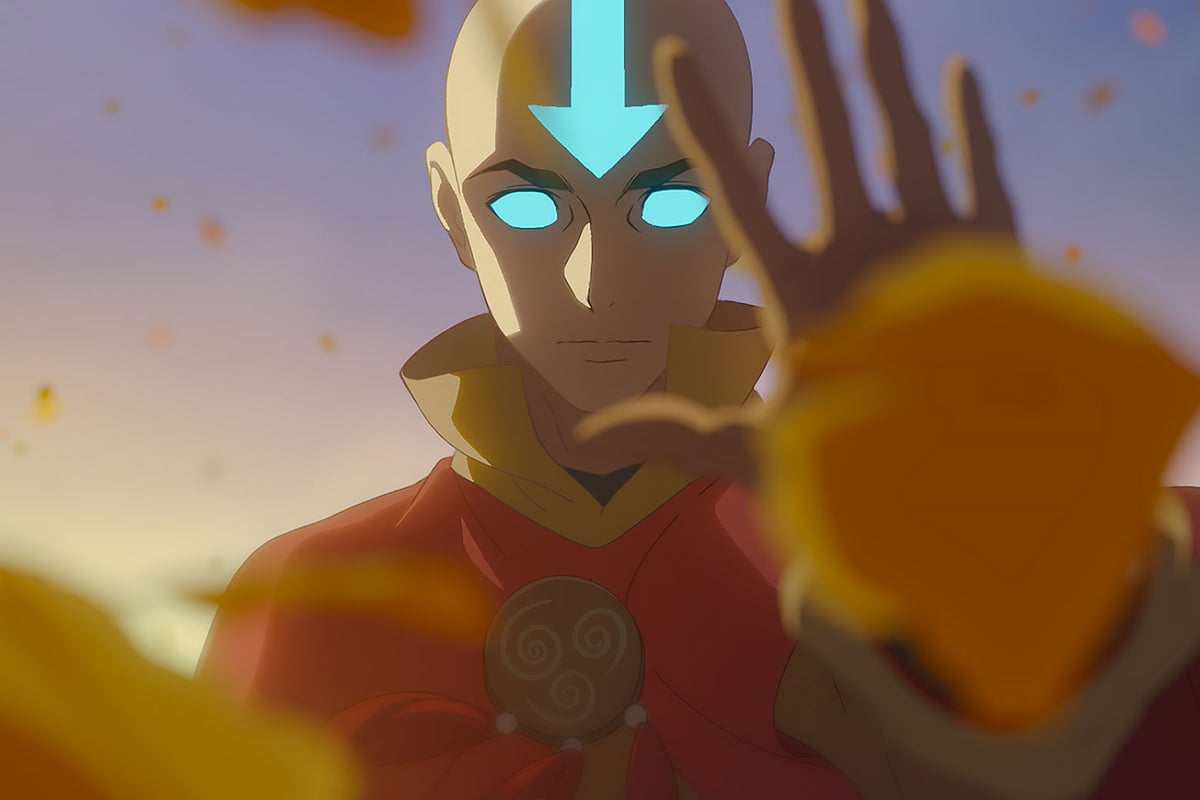
Image source: slate.com
Is the Leaked Version of the Movie the Final Cut?
A common pitfall for fans is assuming that the leaked footage represents the finished product. In the case of the Avatar Aang movie, the version that appeared online in April was a workprint. While the story was complete, the technical fidelity was far from the standard expected of an $80 million production.
The Post-Production Polish Phase
The final 20% of a film's production—often called the "polish" phase—is where the magic happens. This includes final color grading, sound mixing, and the completion of complex visual effects (VFX) passes. The leaked version lacked these elements, leading to some early criticism regarding "grainy" textures and "flat" audio. However, those who waited for the official July release noted that the "Sakuga" animation style was significantly more vibrant and fluid in the final version.
| Feature | Leaked Workprint | Official Release |
|---|---|---|
| Visual Effects | Unfinished / Placeholder | Fully Rendered "Sakuga" Style |
| Audio Quality | Stereo / Unmixed | Dolby Atmos / Full Score |
| Color Grading | Raw / Flat | Cinematic HDR |
| Runtime | 102 Minutes | 108 Minutes (incl. Post-credits) |
Why Fans Are Divided Over the New Voice Cast
Beyond the leak itself, the community has been embroiled in a debate regarding the new voice cast. While the original series featured Dante Basco as Zuko and Zach Tyler Eisen as Aang, the 2026 film introduced a new lineup to reflect the characters' transition into adulthood. This decision, led by creators Michael Dante DiMartino and Bryan Konietzko, has met with both excitement and friction on platforms like ResetEra and X.
The Zuko Controversy: Steven Yeun vs. Dante Basco
The casting of Steven Yeun as Zuko has been a primary point of contention. While Yeun is widely regarded as a top-tier talent, many fans felt a deep loyalty to Dante Basco's iconic performance. The "Zuko Controversy" highlights the difficulty of evolving a franchise while respecting its roots. However, early reviews of Yeun's performance suggest he brings a mature, regal gravitas to the Fire Lord that aligns with the film's darker themes.
"Looksmaxxing" Zuko and Community Memes
The updated character designs also sparked a wave of "looksmaxxing" Zuko memes. Fans noted the sharp, chiseled features of the adult Zuko, leading to a viral trend of comparing the new animation style to high-fashion aesthetics. While humorous, these memes reflect a genuine engagement with the film's updated visual identity, which leans heavily into a more detailed, "Sakuga-inspired" look.

Image source: Popverse
What the Creators Said About the Security Breach
For Michael Dante DiMartino and Bryan Konietzko, the leak was more than a corporate headache; it was a personal blow. In an interview with IGN, the creators described the day the movie leaked as a "dark day" for Avatar Studios. They characterized the leak as "unceremonious and a bit rude," emphasizing the years of hard work that went into every frame.
Michaela Jill Murphy, the original voice of Toph, also spoke out, urging fans to avoid the leaks to support the production team. The emotional impact on the animators and staff cannot be overstated; seeing an unfinished version of their work scrutinized by millions before it was ready was described as "devastating." This human element is often lost in the technical discussion of hacks and arrests, but it remains a central part of the story for the Avatar community.
When and Where Can You Watch the Official Release?
Despite the April setback, the official release of Avatar Aang: The Last Airbender has been a significant event for the franchise. Paramount+ remains the primary home for the film, having debuted it on July 25, 2026. For those seeking the full cinematic experience, a limited theatrical run was also established in major cities, allowing fans to see the "Sakuga" animation on the big screen.
The Future of Avatar Studios
The success of the official release is crucial for the future of the franchise. Projects like Seven Havens and other planned spin-offs depend on the financial performance and viewership metrics of this first feature film. By choosing to watch through legal channels, fans are directly contributing to the longevity of the Avatar universe. The studio has already teased that the next installment will feature a more robust security protocol to prevent a repeat of the 2026 incident.
Frequently Asked Questions
Key Takeaways
- The Source: The leak was traced back to a technical breach at Vision Media, not a studio error.
- Legal Action: A Singaporean man was arrested for his role in distributing the stolen media.
- Workprint Status: The leaked footage was an unfinished version lacking final VFX and audio mixing.
- Corporate Context: The Skydance merger created a chaotic environment that likely contributed to the security lapse.
- Official Release: The film officially debuted on July 25, 2026, on Paramount+.
- Cast Changes: The transition to Steven Yeun as Zuko remains a major topic of fan discussion.
- Support Creators: Watching through official channels is essential for the future of the franchise.
To best support the animators and creators, fans should experience the film through the official Paramount+ release or in limited theatrical screenings.