How to Find and Write a Meaningful Story About Gay Life and Love
Today, a story about gay experiences extends far beyond the traditional "coming out" trope. It encompasses massive digital archives, interactive gaming subtext, and intersectional themes like neurodiversity. Whether you are a reader seeking representation or a writer aiming for authenticity, the landscape is richer than ever.
The evolution of queer storytelling has shifted from a focus on tragedy and secrecy to a celebration of diverse, everyday existence. In recent years, the demand for authentic narratives has surged, leading to a proliferation of content across various media. From the high-stakes drama of historical war-time letters to the quiet intimacy of contemporary romance, these stories provide a vital portal for empathy and community building.
According to LGBT HERO, engaging with queer narratives is a significant factor in fostering healthier and happier lives within the community. This article explores where to find these stories, how they impact real-world families, and the best practices for writing them with respect and depth.
Where Can You Read Thousands of Gay Stories for Free?
For many, the journey into gay fiction begins online. Independent platforms have become the backbone of the community, hosting thousands of works that mainstream publishing might overlook. These archives are not just repositories; they are active hubs where readers and writers interact, providing feedback and building niche sub-genres.
Navigating Massive Digital Archives Like GayAuthors.org
One of the most significant resources for queer fiction is GayAuthors.org. As of recent data, the platform hosts over 6,400 stories, ranging from short vignettes to epic multi-volume novels. The sheer scale of this archive allows readers to find highly specific content through a robust system of tags and filters.
Users can search for stories based on tropes such as "Enemies to Lovers," "Slow Burn," or "Found Family." This level of categorization is particularly helpful for those looking for intersectional stories, such as those featuring characters of color or characters with disabilities. The community-driven nature of the site ensures that the content remains fresh and reflective of current social dialogues.
Finding Short-Form Romance on Platforms Like Quotev
For those who prefer quick, digestible narratives, Quotev stands out as a top choice. The platform is widely regarded as a hub for "Gay Love Story" shorts, which often focus on high-impact emotional moments or popular romance tropes. These stories are frequently written by younger authors, providing a unique window into the perspectives of Gen Z and Alpha generations.
Short-form fiction on Quotev often leans into the "instant gratification" of romance, making it an excellent starting point for readers who are new to the genre. The accessibility of the platform—which requires no subscription—has made it a staple for queer youth seeking stories that mirror their own burgeoning identities.
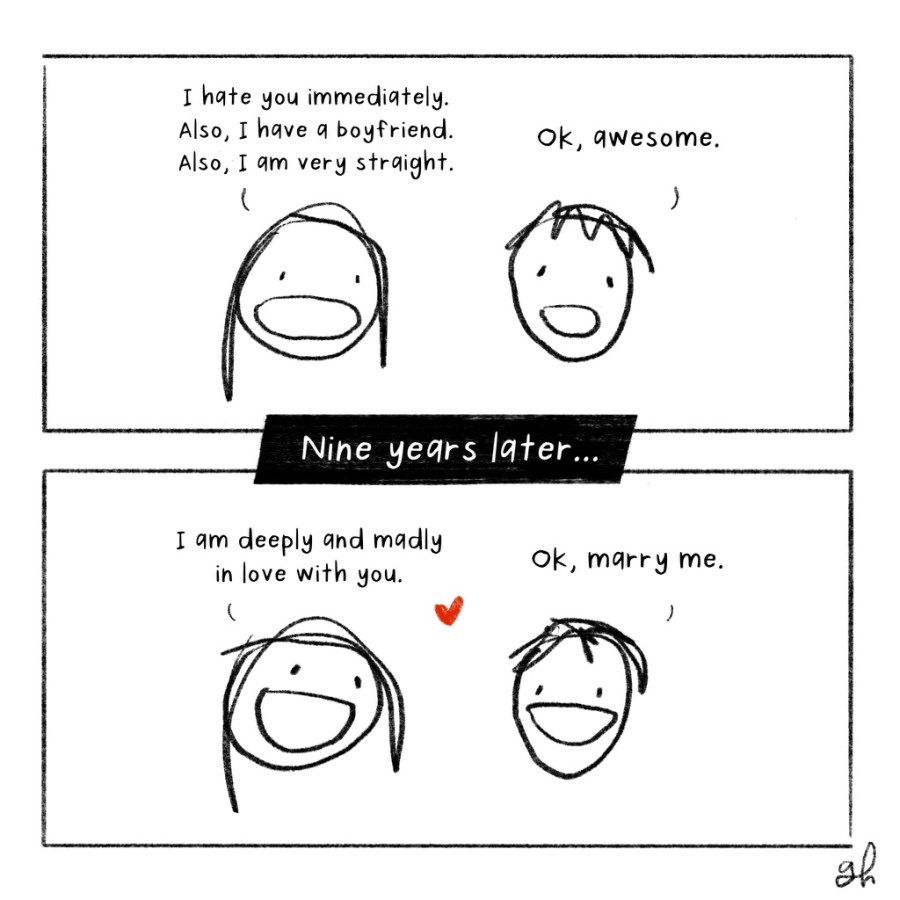
Image source: Autostraddle
Real Stories of Coming Out and Family Discovery
While fiction offers escapism, real-life accounts provide the emotional grounding necessary for social progress. The process of coming out is rarely a single event; it is a narrative that unfolds over years, involving not just the individual but their entire support network.
How Parents Process a Child’s Disclosure Over Time
Research from organizations like the Manchester Parents Group highlights a fascinating and often overlooked aspect of the gay story: the parental perspective. Data suggests that many parents experience a period of "suspicion" that can last up to two years before their child officially comes out. During this time, parents may grapple with a mix of intuition, denial, and fear of the prejudice their child might face.
- The Suspicion Phase: Lasting up to 24 months, parents often notice subtle shifts in behavior but may avoid direct confrontation due to fear of the unknown.
- The Disclosure Event: The moment of "coming out" often brings an initial wave of shock, even if the parent had previously suspected the truth.
- The Self-Blame Period: A common reaction among parents is to question their own parenting or lifestyle, often incorrectly assuming they "caused" their child's orientation.
- The Adjustment & Advocacy Phase: Over time, many parents move from tolerance to active support, often becoming advocates within their own social circles.
Why Intergenerational Stories Matter for Queer History
Intergenerational storytelling is becoming a significant advancement in how we document queer history. Projects like Gay Diaries emphasize the importance of connecting the lived experiences of older generations—who may have lived through the pre-Stonewall era or the height of the HIV/AIDS crisis—with the lives of younger queer people today.
These stories serve as a bridge, ensuring that the hard-won progress of the past is not forgotten. By sharing narratives across age gaps, the community can build a more cohesive sense of identity that honors both the struggles of the elders and the innovations of the youth. This dialogue helps to dismantle the "generational silo" effect, where different age groups feel disconnected from one another's realities.
How Video Games Are Changing Gay Storytelling
Video games have emerged as a notably innovative medium for experiencing gay narratives. Unlike books or films, games allow for agency, letting players inhabit the roles of queer characters and make choices that influence the outcome of their relationships.
Finding Queer Subtext in Mainstream RPGs
In mainstream gaming, players often engage in "subtextual reading" to find gay stories where they might not be explicitly written. A recent example found in community discussions involves the relationship between characters Hans and Henry in Kingdom Come Deliverance II. While the game offers traditional male/female romance options, many players have noted an exceptionally strong bond between the two male leads that can be interpreted through a queer lens.
This form of emergent storytelling is often supported by specific gameplay mechanics. For instance, the "Leg Day" perk or shared activities in the game can be seen as narrative building blocks for a deeper, albeit unofficial, romance. This highlights how the gaming community often takes ownership of a story, expanding its meaning beyond the developer's original intent.
Playing Through Choice-Based Indie Gay Romances
On the other end of the spectrum are dedicated indie titles that place queer romance at the forefront. A Gay Love Story About Gay Love is a strategy RPG that has garnered a "Very Positive" rating on Steam. The game is a top-tier example of how niche developers are filling the gap left by major studios.
In these games, the narrative is built around the player's ability to navigate social dynamics, resolve conflicts, and pursue romantic interests. The interactive nature of the medium makes the emotional stakes feel more personal, as the player is directly responsible for the character's happiness. This level of immersion sets a high standard for representation in digital media.
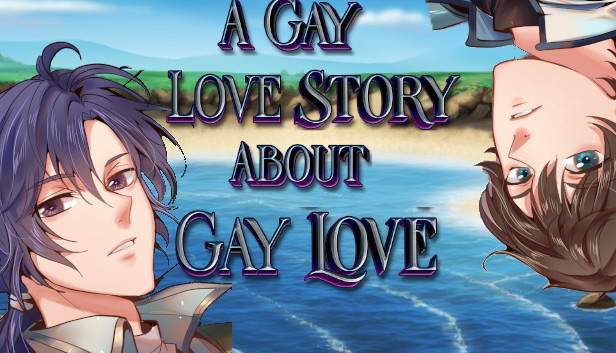
Image source: Steam
How to Write Authentic Gay Romance Without Being Performative
Writing a story about gay characters requires a balance of specific cultural knowledge and universal emotional truth. Expert authors, such as Kelli A. Wilkins, suggest that the core of a successful romance remains the same regardless of the characters' genders: a focus on believable connection and sensory detail.
Focusing on Universal Human Connection and Sensory Detail
The most impactful stories are those where the characters' "gayness" is a fundamental part of their identity but not their only personality trait. Readers resonate with characters who have complex motivations, flaws, and dreams. When writing romance, focusing on the small, sensory details—the way a partner smells, the sound of their laughter, or the tension of a first touch—creates a universal experience that any reader can appreciate.
Navigating the Debate Over Who Can Write Queer Stories
There is an ongoing discussion within the literary community regarding "Own Voices"—the idea that stories about marginalized groups should primarily be written by members of those groups. However, many experts argue that an author's personal identity should not necessarily bar them from writing in the genre, provided they approach the subject with respect and thorough research.
For authors who do not identify as gay but wish to write queer characters, the key is to avoid stereotypes and "performative" writing. This involves seeking out sensitivity readers, studying real-life accounts, and focusing on the shared human emotions of love and longing. By doing the work to understand the nuances of the queer experience, any writer can contribute a meaningful story to the canon.
Exploring Niche Themes Like Neurodiversity and Historical Drama
As the genre matures, we are seeing a shift toward intersectional narratives that explore how being gay overlaps with other identities and historical contexts. These stories offer a more nuanced view of the world, moving beyond the "monolithic" queer experience.
Why Autistic Gay Love Stories Are Gaining Visibility
A notably innovative trend in modern fiction is the rise of "Autistic Gay Love" stories. These narratives, such as those featuring characters like Juniper and Crowe, explore the unique ways neurodivergent individuals experience attraction and intimacy. For many autistic people, traditional social cues and romantic expectations can be confusing; stories that reflect this reality provide much-needed validation.
These stories often highlight the intersection of butch/femme identities with neurodivergence, showing how gender expression and sensory processing are intertwined. By centering these voices, authors are expanding the boundaries of what a "gay story" can look like, making the genre more inclusive for everyone.
High-Stakes Gay Narratives Set During War-Time
Historical fiction remains a popular choice for those seeking high-stakes drama. Gay stories set during periods of conflict, such as World War II or the American Civil War, often focus on the power of the written word. "War-time letters" between soldiers or friends on opposite sides of a conflict provide a poignant look at love maintained under the threat of death and discovery.
The stakes in these stories are inherently higher, as the characters must navigate both the physical dangers of war and the social dangers of their forbidden love. This adds a layer of tension and emotional weight that contemporary settings sometimes lack, reminding readers of the resilience of the human spirit.
Popular Tropes That Define Modern Gay Fiction
Tropes are the building blocks of genre fiction, providing familiar frameworks that readers love. In gay fiction, these tropes are often subverted or leaned into to create specific emotional effects. Understanding these patterns can help readers find their next favorite book and help writers meet audience expectations.
From Secret Coworkers to Enemies to Lovers
The "Enemies to Lovers" trope remains one of the strongest options in the romance genre, as it allows for intense character development and a satisfying emotional payoff. In queer fiction, this often involves characters who must overcome not only their personal dislike for one another but also the societal pressures that keep them apart.
| Trope Name | Narrative Appeal | Common Setting |
|---|---|---|
| The Bodyguard (BxB) | High stakes, forced proximity, and protective instincts. | Action/Thriller |
| Secret Coworkers | The tension of a hidden relationship in a professional environment. | Contemporary Office |
| Bi-Awakening | The emotional journey of discovering a new side of one's identity. | Coming-of-Age |
| War-time Letters | Poignant, long-distance longing with high historical stakes. | Historical Drama |
Frequently Asked Questions
Key Takeaways for Finding and Writing Gay Stories
- Digital archives like GayAuthors.org offer over 6,400 free stories, making them a top-tier resource for readers.
- Parental reactions often involve a two-year adjustment period, emphasizing the need for stories that foster family empathy.
- Gaming provides a notably innovative way to experience queer narratives through both explicit choices and community-interpreted subtext.
- Authentic writing focuses on universal human connections and sensory details rather than relying on stereotypes.
- Intersectionality, including neurodiversity and historical contexts, is a significant advancement in the modern queer genre.
- Intergenerational dialogue helps preserve queer history and builds a stronger sense of community identity.
To start your journey, consider exploring a niche archive or playing a choice-based indie game to see how these diverse narratives resonate with your own life.