Is There Going to Be a Zootopia 3 After the Sequel?
As of July 2026, Disney has not officially greenlit Zootopia 3, but the film is widely considered to be in active development. The post-credits scene of Zootopia 2 (released November 2025) explicitly teases a new world of birds and bats, serving as a narrative bridge to a third installment. Based on Disney's typical production cycles, a realistic release window for the third film is late 2029 or 2030.
The world of Zootopia has always been about more than just a single city; it is a sprawling ecosystem of social commentary, biological diversity, and high-stakes mystery. Following the massive success of the second film in late 2025, fans are already looking toward the horizon. The introduction of reptiles in the sequel expanded the franchise's scope, but the final moments of that film left an even larger question hanging in the air: what about the animals that fly?
By July 2026, the initial wave of sequel hype has transitioned into deep lore analysis. From Reddit theories about "Avistown" to TikTok breakdowns of the "blue feather" mystery, the community is convinced that a trilogy is the plan. This article filters the facts from the "Fanon" fiction to provide a clear picture of where Nick Wilde and Judy Hopps are headed next.
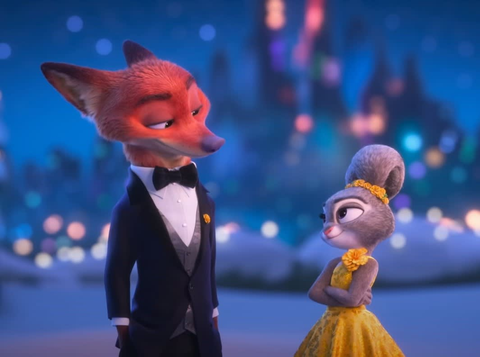
Image source: Forbes
Has Disney Officially Confirmed Zootopia 3 Yet?
While a formal press release with a title and date has not yet been issued, the industrial necessity of a third film is high. Disney's current strategy focuses on "franchise reliability," a move that has seen the simultaneous development of sequels for Frozen and Toy Story. Given that Zootopia 2 has maintained strong box office momentum through early 2026, a third film ranks among the most likely projects to receive a formal greenlight in the coming months.
According to reports from Forbes and Collider, the ending of the second movie was specifically designed to "open the door" to a much larger world. This "soft confirmation" is a common tactic in modern animation, allowing the studio to gauge audience reaction before committing to another half-decade of production. The reaction has been overwhelmingly positive, particularly regarding the expansion of the animal kingdom's taxonomy.
In the current landscape of Disney Animation, sequels are no longer outliers; they are the pillars of the studio's theatrical output. If the second film hits the internal target of $800 million to $1 billion—which it is on track to do—the third installment becomes an industrial certainty rather than a creative "maybe."
What Does the Zootopia 2 Post-Credits Scene Mean?
The most significant evidence for a third film lies in the final seconds of the 2025 sequel. For years, fans have noted the conspicuous absence of birds and bats in Zootopia. The first film established that the city was built for mammals, and the second film integrated reptiles (like the character Gary). However, the sky remained empty—until now.
Does the Blue Feather Hint at a Secret Bird Nation?
The post-credits scene features Nick and Judy discovering a vibrant, blue macaw-style feather at the site of a high-profile investigation. This isn't just a random asset; it is a biological anomaly in a world that has, until now, been strictly terrestrial. The leading theory among the community, often discussed on Reddit, is the existence of "Avistown" or a "Bird Nation."
This theory suggests that birds live in a separate, isolationist society, perhaps located at high altitudes or on distant islands. The discovery of the feather implies that the "mammal-only" peace of Zootopia is about to be disrupted by an outside force. This would shift the franchise's central conflict from "Predator vs. Prey" to a more complex "Mammal vs. Non-Mammal" tension.
Why Birds and Bats Have Been Missing from the Franchise
The biological "rules" of the Zootopia universe were established early on: the city was a sanctuary for mammals to evolve past their primitive instincts. Introducing birds and bats presents a massive technical and narrative challenge. Feathers are notoriously difficult to animate with the level of detail Disney requires, and the social dynamics of flight-capable animals would require a complete redesign of the city's infrastructure.
By saving birds for a third film, Disney has followed a logical progression of world-building:
- Movie 1: Established the Mammal hierarchy and the Predator/Prey dynamic.
- Movie 2: Introduced Reptiles and Amphibians, breaking the "mammal-only" rule.
- Movie 3: Likely to introduce Aves (birds) and Chiroptera (bats), completing the vertebrate spectrum.
When Could Zootopia 3 Actually Release in Theaters?
There is a significant amount of misinformation regarding the release date. Many YouTube "concept trailers" claim a 2026 or 2027 release, but these dates are mathematically impossible within the context of high-end feature animation. Animation is a labor-intensive process that typically requires four to six years for a high-quality sequel.
Why Disney Animation Sequels Usually Take Four to Six Years
To understand the timeline, we must look at "Trilogy Logic." Disney does not rush its flagship animated properties. The gap between the first and second Zootopia films was nearly a decade, though that was lengthened by the pandemic and other production shifts. A more standard comparison can be seen in other major franchises.
| Franchise | Gap Between 1 & 2 | Gap Between 2 & 3 | Average Production Time |
|---|---|---|---|
| Frozen | 6 Years | 8 Years (Projected) | 7 Years |
| Toy Story | 4 Years | 11 Years | 7.5 Years |
| Wreck-It Ralph | 6 Years | N/A | 6 Years |
| Zootopia | 9 Years | 4-5 Years (Est.) | 6.5 Years |
Predicting a 2029 or 2030 Release Window
Based on the November 2025 release of the second film, the earliest we could realistically see a third installment is late 2029. This allows for two years of storyboarding and script development, followed by two to three years of intensive animation and voice recording. While fans are eager for a 2027 release, Disney's current slate—which includes Frozen 3 and Toy Story 5—already occupies the 2026-2027 windows. A 2029 release would position Zootopia 3 as a major "tentpole" for the end of the decade.
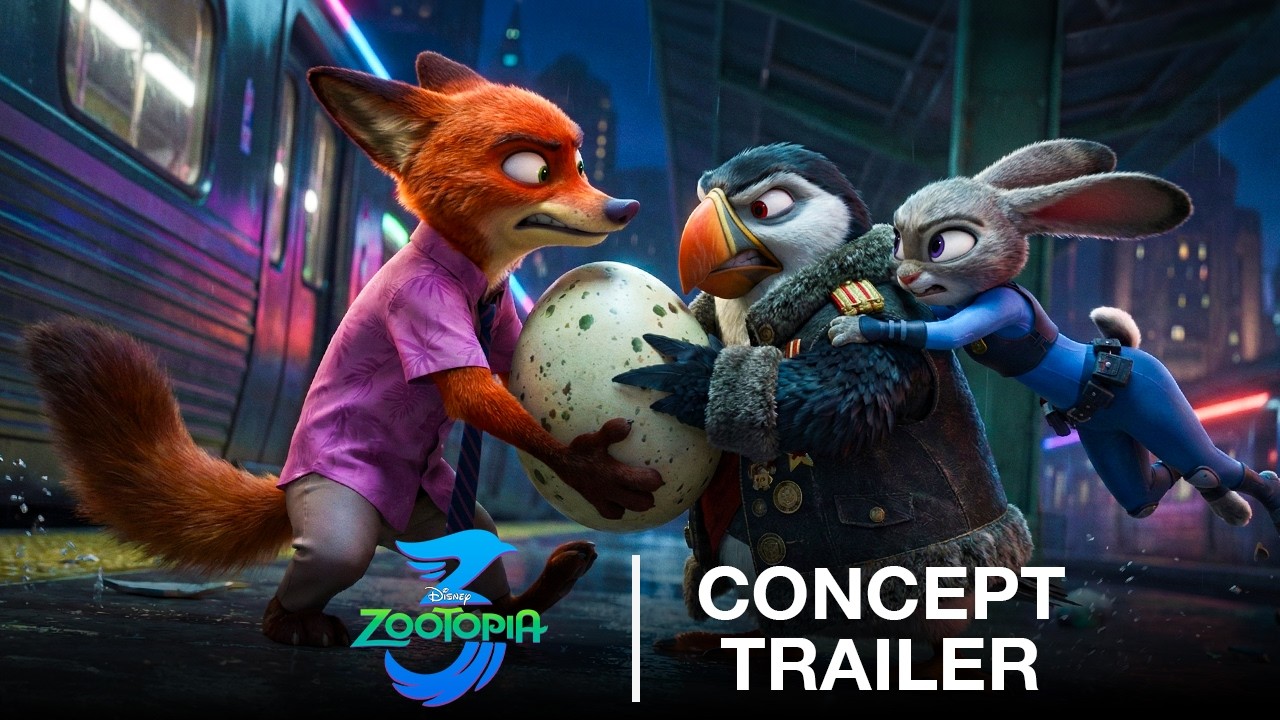
Image source: YouTube
What the Cast and Crew Are Saying About the Third Movie
The involvement of the original voice cast is a strong indicator of a project's health. Both Ginnifer Goodwin (Judy Hopps) and Jason Bateman (Nick Wilde) have been vocal about their desire to continue the story. In recent interviews following the Zootopia 2 press cycle, the actors have hinted that their characters' journeys are far from over.
Ginnifer Goodwin has expressed interest in seeing Judy Hopps evolve into a veteran officer who must mentor a new generation. Meanwhile, Jason Bateman has discussed Nick Wilde’s "accidental" role in the Zootopia 2 jailbreak and how that guilt might drive his actions in a third film. According to industry analysis, the chemistry between the two leads is considered one of the franchise's strongest assets, making their return a top priority for the studio.
"The world of Zootopia is so vast that we've only scratched the surface of the different districts and species. There is a sense that Nick and Judy are just getting started as partners." — Summary of cast sentiments from 2025 press junkets.
Unresolved Plot Points from Zootopia 2 That Point to a Sequel
The second film didn't just end on a cliffhanger; it left several narrative threads dangling that require a resolution. These "plot seeds" are often the most reliable indicators of a planned trilogy.
- The "Gary" Connection
- Gary, the reptile introduced in the second film, ended the movie in a precarious social position. Many fans on the DVDizzy Forums have expressed that his character felt like a "prologue" to a larger story about non-mammal integration.
- The Great Jailbreak
- A significant jailbreak occurs in the second film, and while some criminals were recaptured, several high-profile "escapees" remain at large. It is theorized that these fugitives fled to "bird territory" where the ZPD has no legal jurisdiction.
- Nick's Redemption Arc
- While Nick is a full-fledged officer, the second film challenged his ethics in a way the first did not. A third film would likely conclude his transition from a cynical con artist to a pillar of the community.
Will Nick and Judy Track Down the Great Escapees?
The unresolved jailbreak provides the perfect "hook" for a third movie. If the escapees have indeed fled to a separate avian society, Nick and Judy would be forced to act as "fish out of water" (or mammals out of air) in a city designed for flight. This setup allows for the "buddy cop" dynamic to remain fresh by placing the characters in an environment where their usual skills—like driving a cruiser or chasing suspects on foot—are rendered obsolete.
Fact-Checking the Most Popular Zootopia 3 Fan Theories
With a franchise this popular, the line between official news and fan-made content often blurs. As of 2026, several "viral" stories about the third film have been debunked as pure speculation or "Fanon."
How to Spot Fake Concept Trailers on YouTube
If you search for "Zootopia 3 Trailer" on YouTube, you will find dozens of videos with millions of views. However, none of these are official. To protect yourself from misinformation, use this checklist:
- Check the Description: Most fake trailers include the word "Concept" or "Fan-Made" in small text at the bottom.
- Look for Recycled Footage: If you see clips from the first movie or the Zootopia+ series, it is a fan edit.
- Verify the Channel: Official trailers are only posted by "Walt Disney Animation Studios" or "Disney." Look for the verified checkmark.
- Analyze the Voice Acting: Fake trailers often use AI-generated voices or clips from other Jason Bateman/Ginnifer Goodwin movies.
The Truth About the Zootopia Fanon Wiki
The "Zootopia Fanon Wiki" is a popular destination for fans, but it is important to remember that "Fanon" stands for Fan-Fiction. The detailed plot summaries for Zootopia 3 found there—including stories about Nick and Judy having children or a war between districts—are creative writing exercises by the community, not official Disney scripts. While these stories are a testament to the franchise's impact, they should not be cited as factual news.
How Zootopia 2 Box Office Numbers Affect the Future
In the film industry, "money talks." The likelihood of a third film is directly tied to the commercial performance of the second. As of mid-2026, Zootopia 2 has proven to be a top-performing asset for Disney. By reaching the $800 million threshold, it has demonstrated that the brand has "staying power" comparable to Frozen.
Disney's current corporate strategy prioritizes "Franchise Reliability." This means the studio is more likely to invest $200 million into a proven winner like Zootopia 3 than into a risky, original IP. From a business perspective, the third film isn't just a creative choice; it's a safe financial bet for the studio's 2029-2030 fiscal years.
Key Takeaways: The Future of Zootopia 3
- 1. Teased but not Greenlit: While not officially announced, the Zootopia 2 post-credits scene serves as a clear narrative promise for a third film.
- 2. The Feather Mystery: The discovery of a blue feather suggests that birds and bats will be the primary focus of the next installment.
- 3. Realistic Timeline: Ignore the 2026 rumors; a 2029 or 2030 release is the most statistically likely window based on animation lead times.
- 4. Cast Commitment: Jason Bateman and Ginnifer Goodwin have expressed strong interest in completing a trilogy.
- 5. Genre Shift: Theories suggest the third film may move toward an espionage or political thriller involving a separate "Bird Nation."
- 6. Industrial Certainty: Strong box office numbers for the second film make a third chapter a high priority for Disney's long-term strategy.
Practical Next Step: To stay updated, follow the official Walt Disney Animation Studios social media accounts and disregard any "trailers" that do not originate from a verified Disney source.
Frequently Asked Questions
Is Nick Wilde in Zootopia 3?
Yes, it is highly likely. Jason Bateman has expressed continued interest in the role, and the character's arc regarding his "accidental" role in the Zootopia 2 jailbreak remains a major unresolved plot point that a third film would need to address.
Are there birds in the Zootopia universe?
The first two films focused on mammals and reptiles, but the Zootopia 2 post-credits scene featuring a blue feather suggests that birds exist but live in a separate, perhaps isolationist, society that has not yet been explored.
Is there a trailer for Zootopia 3?
No, there is currently no official trailer. Any videos currently on YouTube labeled as "Official Trailer" are fan-made concepts or edits using footage from the first two movies and the Zootopia+ series.
Will Nick and Judy get married in Zootopia 3?
This is a popular topic in the "WildeHopps" shipping community. While the directors have historically kept the relationship professional, the evolving bond between the two characters remains a central theme that a third film could explore further.
Why did Zootopia 2 end on a cliffhanger?
The cliffhanger was designed to expand the world-building. By introducing the "feather" mystery, Disney has set the stage for a third film that can explore the avian and chiropteran (bat) species that have been missing from the franchise so far.