For many, the song is synonymous with the "Numa Numa" meme, a viral sensation that defined the early days of the social internet. However, beneath the catchy "Ma-ia-hii" hook lies a rich tapestry of Romanian cultural references and linguistic nuances that are often lost in translation. Understanding the song requires looking past the dance floor energy and into the romantic traditions of Eastern Europe.
The track was a massive global success, reaching the top of the charts in over 20 countries [Source 8]. While the melody is infectious, the Romanian lyrics are surprisingly deep, referencing national poets and specific early-2000s technologies that make it a fascinating cultural time capsule.
A Literal English Translation of the Lyrics
Translating "Dragostea Din Tei" is tricky because the song uses "elliptic" phrasing—shortening sentences to fit the fast-paced Eurodance beat. This often leads to confusion among non-native speakers who rely on automated translation tools. Below is a comparison between the original Romanian, a literal translation, and the official English localization used for international markets.
| Original Romanian | Literal English Meaning | Official English Version |
|---|---|---|
| Vrei să pleci dar nu mă, nu mă iei | You want to leave but you don't, don't take me | You want to leave but you don't want to take me |
| Nu mă, nu mă iei, nu mă, nu mă, nu mă iei | You don't, don't take me (repeated) | (Same rhythmic hook) |
| Chipul tău și dragostea din tei | Your face and the love from the linden tree | Your face and the love from the linden tree |
| Mi-aduc aminte de ochii tăi | Remind me of your eyes | Remind me of your eyes |
| Sunt eu, un haiduc | It's me, an outlaw/folk hero | It's me, your Duke |
As seen in the table, the official English version makes a significant change in the identity of the narrator. In Romanian, he is a Haiduc—a traditional folk hero similar to Robin Hood. In the English version, this was changed to "Duke" to preserve the rhyme scheme and provide a Western status symbol, though it loses the original's rebel nuance [Source 6].
The first verse introduces the narrator calling his lover. He says, "Alo, Salut, sunt eu, un haiduc" (Hello, Hi, it's me, a folk hero). He mentions that he "sent a beep" and that he is "strong" or "brave," yet he is clearly struggling with the fact that his partner is leaving him. The mention of "Picasso" in the lyrics—"Ți-am pictat o floare" (I painted you a flower)—suggests the narrator sees himself as an artist of emotions, trying to create something beautiful to make her stay.
The Linguistic Nuance of the Numa Numa Chorus
The most famous part of the song, the "Numa Numa" hook, is actually a linguistic trap for many listeners. Many popular lyrics sites translate "nu mă iei" as "don't take me," treating it as a command (the imperative mood). However, native speakers point out that this is a factual statement of lament (the indicative mood) [Source 1].
This distinction changes the entire mood of the song. Instead of a defiant "don't take me," it is a heartbreaking "you're leaving, and you're not taking me with you." The repetition emphasizes the narrator's disbelief and desperation. In Romanian grammar, the full sentence would be "nu vrei să mă iei cu tine," but the song shortens it to "nu mă iei" to maintain the 130 BPM energy of the track.
Furthermore, the phrase "Dragostea Din Tei" itself is poetic. While "din" usually means "from," in this context, it implies a love that originated or exists within the atmosphere of the linden trees. It is a location-based romantic memory, much like saying "summer love" or "high school sweetheart," but with a much deeper cultural weight in Eastern Europe.
The Cultural Significance of the Linden Tree in Romanian Poetry
To a Western listener, a "Linden Tree" might seem like a random botanical choice. However, in Romanian culture, the Tei (Linden tree) is a powerful romantic symbol. It is not just a tree; it is a setting for sacred and nostalgic love [Source 9].
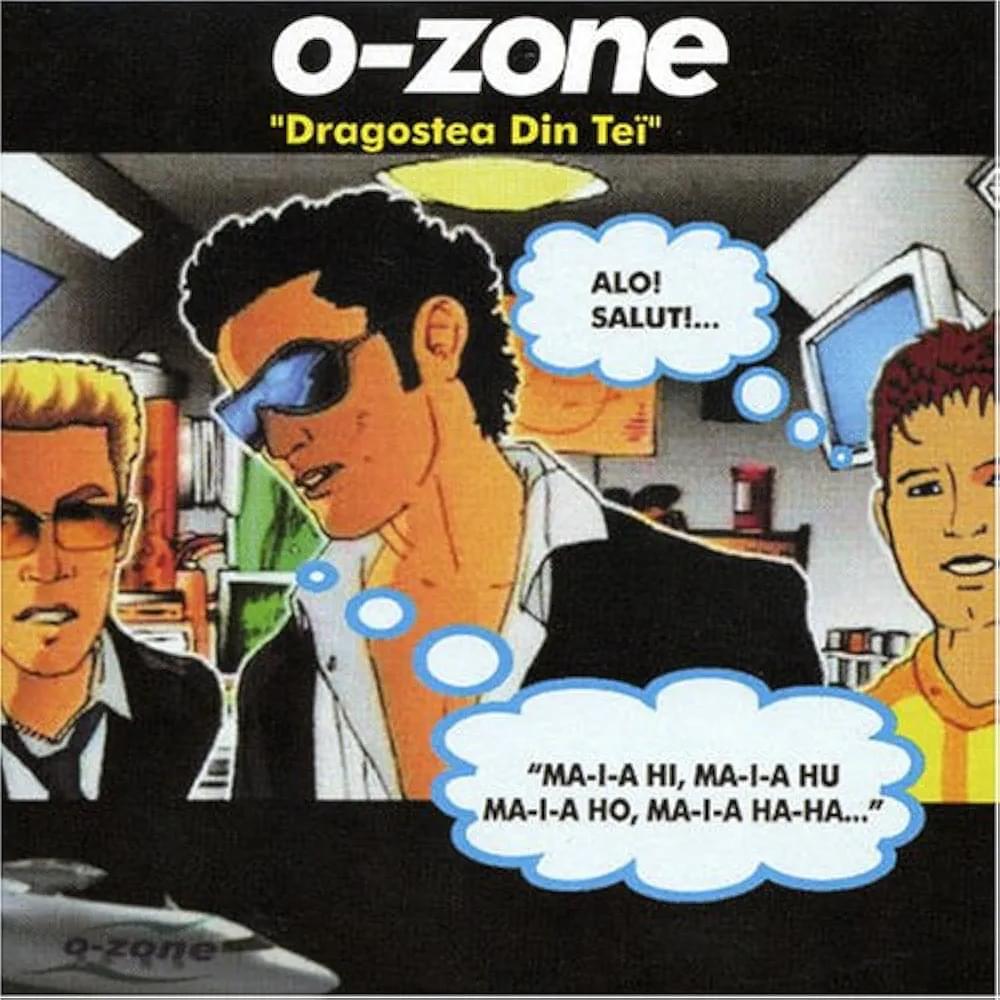
Image source: Genius
The association comes largely from Mihai Eminescu, Romania's national poet. Eminescu frequently used the Linden tree in his works to represent a place of peace, longing, and pure romance. The scent of the Linden flowers in late spring and early summer is intoxicatingly sweet, creating a sensory memory that most Romanians associate with youth and first loves. By using this imagery, O-Zone was tapping into a deep-seated cultural nostalgia that resonated with Romanian speakers, even if international audiences only heard a catchy pop song.
Why the Linden Tree Matters
- Sensory Memory: The heavy, sweet scent of blooming Linden trees is a hallmark of Romanian summers.
- Literary Roots: It serves as a tribute to the Romantic era of Romanian literature, specifically the works of Eminescu.
- Atmosphere: The tree provides deep shade, making it a traditional meeting spot for lovers to hide from the sun and the eyes of the village.
When the narrator sings about "the love from the linden tree," he is invoking a specific type of pure, almost legendary romance. It makes the eventual breakup described in the verses feel even more tragic, as it contrasts a "sacred" love with the modern reality of missed phone calls and departures.
Why the Narrator Calls Himself Picasso and a Haiduc
The lyrics contain two specific identities for the narrator: Picasso and a Haiduc. These aren't just random cool-sounding words; they represent the narrator's self-image in the face of rejection.
The Haiduc (Folk Hero)
A Haiduc is a traditional Balkan outlaw who lived in the forests and fought against oppressive authorities. By calling himself a Haiduc, the narrator is claiming to be a man of honor, bravery, and freedom. He is a "tough guy" who is nonetheless vulnerable to love.
The Picasso (Artist)
The line "Ți-am pictat o floare" (I painted you a flower) leads into the Picasso reference. It suggests that the narrator is trying to express his love through art or beautiful words. He is an "artist of the heart," even if his "painting" isn't enough to make her stay.
The contrast between the rugged, forest-dwelling Haiduc and the sophisticated, world-renowned Picasso shows the narrator's range of effort. He is trying to be everything for this person—both a protector and a poet. The tragedy of the song is that despite being a "brave folk hero" and an "inspired artist," he is still left waiting for a call that doesn't come.
Understanding the 2000s Beep Culture in the Lyrics
One of the most dated yet charming lines in the song is "Ți-am dat un beep" (I gave you a beep). For younger listeners, this might sound like a random electronic noise, but in 2003, it was a specific social behavior [Source 4].
In the early 2000s, mobile phone minutes and text messages were expensive, especially in Eastern Europe. "Giving a beep" meant calling someone and hanging up before they answered. This would leave a "Missed Call" notification on their screen without costing either person any credits. It was a way of saying "I'm thinking of you," "I'm here," or "Call me back."
By saying "I gave you a beep and I'm brave," the narrator is highlighting the small, nervous steps of modern romance. He is trying to reach out in the only way he can afford, both financially and emotionally. It grounds the poetic "Linden Tree" imagery in the gritty, technological reality of the early 2000s. This juxtaposition is part of what makes the song a "time capsule" of that specific era.
How the Original Song Differs from the Official English Version
When "Dragostea Din Tei" went global, the record labels realized that a literal translation might be too specific to Romanian culture. As a result, the official English version (often performed by O-Zone or covered by others) underwent a "pop-ification" process [Source 5].
The most notable change is the shift from "Haiduc" to "Duke." While "Duke" rhymes with the English lines, it changes the narrator from a rebel folk hero to a member of the landed gentry. This strips away the "Robin Hood" vibe that is so central to the Romanian identity. Additionally, the English lyrics tend to focus more on the "Ma-ia-hii" sounds as a party anthem, whereas the Romanian original feels more like a folk-pop lament.
Another version that gained massive popularity was the cover by Haiducii (an Italian-Romanian singer). Her version was actually the one that first blew up in many parts of Europe, leading to a legal and chart battle between her and the original group, O-Zone. While the lyrics remained largely the same, the production styles differed, with O-Zone's version eventually being regarded as the definitive rendition by most fans.
The Global Legacy of the Numa Numa Meme and Sampling
It is impossible to discuss the translation of this song without mentioning Gary Brolsma, the "Numa Numa Guy." In 2004, Brolsma uploaded a video of himself lip-syncing to the song on Newgrounds, and later YouTube. This video became one of the first truly global viral memes, racking up hundreds of millions of views [Source 8].
The meme was so powerful that many people in the US and UK still refer to the track as "The Numa Numa Song" rather than its actual title. While the meme was humorous, it also gave the song a longevity that few Eurodance tracks from that era enjoyed. It paved the way for the song to be sampled by major Western artists.
Sampling in Hip-Hop: Rihanna and T.I.
In 2008, the song's melody was sampled for the hit "Live Your Life" by T.I. featuring Rihanna. While the melody is identical, the lyrical intent is completely different. Rihanna's hook uses the "Ma-ia-hii" melody to sing about personal success and resilience, moving far away from the original story of the Linden tree and the Haiduc. This transition shows how a piece of Romanian folk-pop could be transformed into a global hip-hop anthem, proving the universal appeal of the original composition's structure.
Frequently Asked Questions
- What language is Dragostea Din Tei?
- The song is sung in Romanian. The members of O-Zone are originally from Moldova, where Romanian is the official language. The song was recorded and released in Romania, which served as the launchpad for its international success.
- Is Dragostea Din Tei a sad song?
- Lyrically, yes. While the beat is high-energy Eurodance, the lyrics tell the story of a man who is being left by his lover. He is pleading for her to stay or at least take him with her, making it a melancholy lament disguised as a party track.
- What does "Alo, Salut" mean?
- It simply means "Hello, Hi" in Romanian. It is the standard way to answer a phone or greet someone. In the context of the song, it represents the narrator trying to start a conversation with the woman who is leaving him.
- Why is it called the Numa Numa song?
- This nickname comes from the repetitive chorus line "nu mă, nu mă iei." It became the popular name for the song in English-speaking countries after the "Numa Numa Guy" viral video became a global internet sensation in 2004.
- What is a Linden tree and why is it in the song?
- The Linden tree (Tei) is a fragrant tree that blooms in early summer. In Romanian culture and poetry, it is a symbol of romantic love and nostalgia. Its presence in the song evokes a sense of pure, traditional romance that is now fading.
The Bottom Line
Understanding "Dragostea Din Tei" transforms it from a simple internet meme into a piece of cultural art. Here are the key takeaways:
- Literal Meaning: The title means "Love from the Linden Tree," referencing a deep Romanian romantic symbol.
- The Chorus: "Nu mă iei" means "you aren't taking me," expressing the narrator's sadness at being left behind.
- Cultural Hero: The narrator identifies as a "Haiduc," a Robin Hood-like folk hero, showing his desire to be a protector.
- Modern Context: The "beep" refers to the early 2000s practice of dropping missed calls to save money on phone credits.
- Global Impact: The song's melody is so strong that it transitioned from a Moldovan pop hit to a viral meme and eventually a hip-hop sample for Rihanna.
- Poetic Roots: The imagery of the Linden tree connects the song to the works of Romania's national poet, Mihai Eminescu.
Next time you hear the iconic "Ma-ia-hii" hook, remember the story of the lonely Haiduc and the sweet scent of the Linden trees in a Romanian summer.