What Is Maria Tia Maria and How Does It Compare to Other Coffee Liqueurs?
When searching for "maria tia maria," most enthusiasts are looking for the iconic dark liqueur that has graced backbars for decades. Whether you are crafting a classic Espresso Martini or looking for a sophisticated addition to your home bar, understanding the nuances of this spirit is essential. Tia Maria is widely regarded as one of the most versatile coffee liqueurs available today, offering a complex balance of sweetness and roasted depth that few alternatives can replicate.
In recent years, the brand has leaned heavily into its "Cold Brew" identity, emphasizing a production process that prioritizes the delicate aromatic compounds of the coffee bean over the harsh bitterness often found in heat-extracted spirits. This guide explores the technical specifications, historical shifts, and practical applications of Tia Maria to help you decide if it is the right fit for your palate.
What Ingredients Give Tia Maria Its Unique Flavor Profile?
The character of Tia Maria is built upon four primary pillars: high-altitude Arabica coffee, premium Jamaican rum, Madagascar vanilla, and pure cane sugar. Each of these components is selected to create a layered experience that begins with an intense coffee aroma and finishes with a velvety, caramelized sweetness.
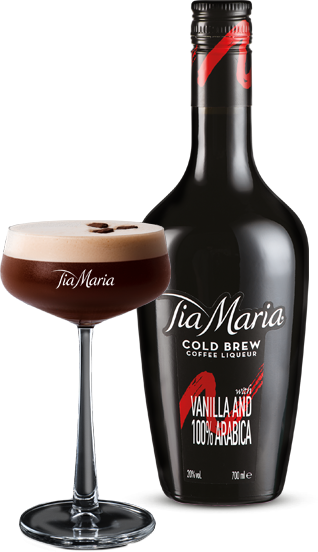
Image source: www.tiamaria.com
Why 100% Arabica Beans and Cold Brew Extraction Matter
According to official production data, Tia Maria exclusively uses Arabica beans grown at altitudes between 800 and 1,200 meters. At these heights, the coffee cherries mature more slowly, allowing for a higher concentration of oils and aromatic precursors. The beans are harvested while green and medium-roasted to preserve their floral and fruity notes.
The "Cold Brew" label is not just marketing; it refers to the extraction method where the ground beans are steeped in room-temperature water for an extended period. This process avoids the extraction of bitter tannins and acidic compounds that occur during hot brewing. The result is a liqueur that many users find significantly smoother and more "coffee-forward" than those produced with traditional methods.
The Role of Jamaican Rum and Madagascar Vanilla
While many coffee liqueurs use a neutral grain spirit (essentially vodka) as a base, Tia Maria utilizes Jamaican White Rum. This rum is distilled from sugarcane molasses cultivated near the sea, which imparts a subtle salinity and a "warm" structural complexity to the liqueur. The rum base provides a backbone that supports the coffee rather than simply acting as a carrier for the sugar.
The addition of Madagascar vanilla provides the final layer of sophistication. Madagascar vanilla is known to contain over 170 different aromatic compounds, ranging from woody and spicy to floral and sweet. This complexity explains why Tia Maria is often described as having a "velvety" mouthfeel and a lingering finish of pipe tobacco and chocolate, rather than the one-dimensional sweetness of vanillin-based alternatives.
Tia Maria vs Kahlua — Which One Should You Choose?
For most consumers, the choice comes down to Tia Maria or Kahlua. While both are coffee liqueurs, they offer distinct experiences based on their base spirits and sugar content. Kahlua, a Mexican liqueur, typically uses a neutral grain spirit and has a higher sugar-to-coffee ratio, making it thicker and more syrupy. Tia Maria, by contrast, is often perceived as "drier" and more complex due to the rum and vanilla influence.
| Feature | Tia Maria | Kahlua | Sheridan's |
|---|---|---|---|
| Base Spirit | Jamaican Rum | Neutral Grain Spirit | Irish Whiskey |
| Coffee Type | 100% Arabica (Cold Brew) | Arabica | Coffee Blend |
| Sugar Profile | Moderate / Balanced | High / Syrupy | High (Cream-based) |
| ABV | 20% (Standard) | 16% - 20% (Varies) | 15.5% |
| Best Use Case | Sipping / Espresso Martini | White Russian / Baking | Layered Shots |
In our assessment, Tia Maria ranks among the top choices for those who prefer the actual taste of coffee to shine through in their cocktails. Because it is less syrupy, it integrates more cleanly into drinks like the "Tia Tonic" or a sophisticated Black Russian. However, Kahlua remains a strong contender for desserts or drinks where a heavy, comforting sweetness is the goal.
From Jamaica to Italy — The History of the Aunt Mary Recipe
The name "Tia Maria" translates to "Aunt Mary." The brand's history is a blend of documented facts and romanticized marketing lore. The factual history traces back to 1946 in Jamaica, where Dr. Kenneth Evans and the Cargill family commercialized a recipe that had allegedly been in their family for generations.
The Legend of the Spanish Noblewoman vs Factual History
The marketing lore suggests that in the 18th century, a Spanish noblewoman fled a colonial war in Jamaica. Her maid, Maria, allegedly saved a family heirloom: a jewelry box containing black pearl earrings and the secret recipe for a coffee liqueur. While this makes for a compelling brand story, historians generally credit Morris Cargill with the actual development of the commercial product we recognize today.
Why the ABV Changed From 31.5% to 20% Over Time
One of the most significant points of interest for long-time enthusiasts is the "ABV Evolution." According to historical records, Tia Maria was once bottled at 31.5% ABV (63 proof) in the 1980s. Today, the global standard is 20% ABV (40 proof).
This reduction is common in the spirits industry for several reasons. Lowering the alcohol content reduces excise taxes in many jurisdictions, making the product more affordable for consumers. Additionally, modern drinking trends favor "sessionability"—drinks with lower alcohol content that can be enjoyed over longer periods. While some purists feel the modern version is "thinner," the lower ABV allows the delicate vanilla and coffee notes to be more accessible without the "burn" of higher-proof spirits.
Is Maria Tia Maria a Drink or a Video Game Character?
If you are searching for "maria tia maria," you may occasionally encounter results for Lady Maria of the Astral Clocktower. This is a prominent boss character from the critically acclaimed video game Bloodborne. While the names are similar, they are entirely unrelated.
Lady Maria is a fictional character known for her role in the game's "The Old Hunters" expansion. If your search was intended to find combat strategies or lore about the Astral Clocktower, you are likely looking for gaming resources. However, if you are looking for a sophisticated coffee spirit to enjoy while playing or relaxing, you have found the right guide for the liqueur.
Best Ways to Drink Tia Maria Beyond the Espresso Martini
While the Espresso Martini is the most famous application for Tia Maria, the liqueur's unique profile allows for much broader experimentation. Its vanilla notes make it an excellent partner for citrus, while its rum base allows it to stand up to heavier mixers like cola or ginger beer.
How to Make a Perfect Baby Guinness Shot
The "Baby Guinness" is a popular party shot that looks like a miniature pint of stout. It relies on the density difference between Tia Maria and Irish cream.
- Fill a shot glass about 3/4 full with chilled Tia Maria.
- Take a bar spoon and hold it upside down just above the surface of the liqueur.
- Slowly pour Baileys Irish Cream (or a similar cream liqueur) over the back of the spoon.
- The cream will float on top, creating a "head" that mimics a Guinness.
Why Tia Maria Pairs Surprisingly Well With Orange Juice
Known in some circles as the "Jaffa Sam," the combination of coffee liqueur and orange juice is a hidden gem in mixology. The acidity of the orange juice cuts through the sugar of the liqueur, while the vanilla notes in Tia Maria create a flavor reminiscent of chocolate-covered oranges. Simply mix one part Tia Maria with two parts fresh orange juice over plenty of ice.
For a refreshing, low-ABV afternoon drink, try mixing 50ml of Tia Maria with 100ml of premium tonic water. Garnish with a large slice of grapefruit. The bitterness of the quinine in the tonic highlights the roasted coffee notes in a way that soda water cannot.
Is Tia Maria Vegan and Gluten-Free?
Dietary restrictions are a major concern for modern consumers, and Tia Maria is one of the few major coffee liqueurs that is officially 100% vegan. Many spirits use bone char in the sugar refining process or include dairy derivatives, but Tia Maria has confirmed via their official social channels that no animal products are used in their production.
- Vegan Status: Yes. No dairy, honey, or bone-char-refined sugar.
- Gluten-Free Status: Yes. Although it contains grain-derived spirits in some regional variations, the distillation process removes gluten proteins. Most experts consider distilled spirits safe for those with celiac disease.
- Caffeine Content: Yes, it contains caffeine from the Arabica beans, though the amount is significantly lower than a standard cup of coffee (roughly 10-15mg per serving).
How Much Does a Bottle of Tia Maria Cost?
Pricing for Tia Maria is generally competitive with other premium liqueurs like Baileys or Cointreau. According to recent data from Wine-Searcher, you can expect the following price points in the US market:
- 750ml Bottle: Typically ranges from $27.00 to $31.00 depending on the retailer.
- 1L Bottle: Often found in the $34.00 to $39.00 range, offering better value for high-volume home bars.
- Regional Variations: Be aware that in some markets, you may still find older stock or specific export versions with an ABV of 26.5%. Always check the label if the alcohol percentage is a priority for your recipes.
Frequently Asked Questions
Yes, Tia Maria is made using 100% Arabica coffee beans. These beans are medium-roasted and then subjected to a cold brew extraction process to pull out the essential oils and flavors. This is why the liqueur has a genuine coffee aroma rather than a synthetic "coffee-flavored" scent.
Because of its sugar and alcohol content, Tia Maria is quite shelf-stable. Once opened, it is best consumed within 12 to 18 months for optimal flavor. While it won't "spoil" in the traditional sense, the delicate vanilla and coffee aromatics will begin to fade over time. Store it in a cool, dark place away from direct sunlight.
No, they are different products. Tia Maria uses a Jamaican rum base and Madagascar vanilla, whereas Kahlua uses a neutral grain spirit and is generally much sweeter and thicker. Tia Maria is often preferred by those who want a more complex, less syrupy coffee liqueur for their cocktails.
Absolutely. Many enthusiasts enjoy Tia Maria neat or over a large cube of ice. Drinking it "on the rocks" allows the ice to slowly melt, which opens up the 170+ aromatic compounds in the Madagascar vanilla and softens the sweetness of the cane sugar.
The global standard for Tia Maria was lowered to 20% ABV several years ago to align with modern consumer preferences and international tax structures. However, certain regional markets or older "dusty" bottles found in liquor stores may still carry the 26.5% or even the historical 31.5% ABV labels.
The Bottom Line
Tia Maria remains a staple of the modern bar for good reason. Its commitment to high-quality ingredients and a specialized extraction process sets a high standard for the coffee liqueur category.
- Cold Brew Focus: The use of 100% Arabica beans and cold extraction results in a smoother, more authentic coffee taste.
- Rum Base: The Jamaican rum foundation provides a warmth and complexity that neutral grain spirits lack.
- Vegan Friendly: It is a top-tier option for those following a vegan lifestyle, as it contains no animal-derived ingredients.
- Versatile Mixology: Beyond the Espresso Martini, it pairs remarkably well with tonic, orange juice, and cream liqueurs.
- Balanced Sweetness: It offers a drier profile than many competitors, making it easier to balance in sophisticated cocktails.
- Historical Legacy: Despite the ABV changes over the decades, the core "Aunt Mary" recipe continues to be a favorite among professionals.
For your next cocktail night, try substituting your usual coffee liqueur with Tia Maria to experience the difference that cold brew and Jamaican rum can make in your glass.