Where to Watch Knights of the Zodiac Saint Seiya on Netflix and Beyond
If you just finished the 12 episodes of Knights of the Zodiac: Saint Seiya on Netflix and are looking for Season 2, you will not find it on the platform. Following the first season, the streaming rights shifted. Season 2 and Season 3 (subtitled Battle for Sanctuary) are currently exclusive to Crunchyroll. Netflix only hosts the initial Galaxian Wars and Silver Saints arcs.
For fans of classic anime, few franchises carry the historical weight of Masami Kurumada’s Saint Seiya. When a modern, 3D CG retelling was announced as a Netflix Original, it drew significant attention from both nostalgic viewers and newcomers. However, the distribution of the series has become notoriously fragmented, leaving many viewers hitting a sudden content wall after just 12 episodes.
This guide breaks down exactly what the Netflix version is, why the subsequent seasons migrated to a different platform, how this modern adaptation differs from the beloved 1986 original, and the recommended watch order for navigating the complex Saint Seiya multiverse.
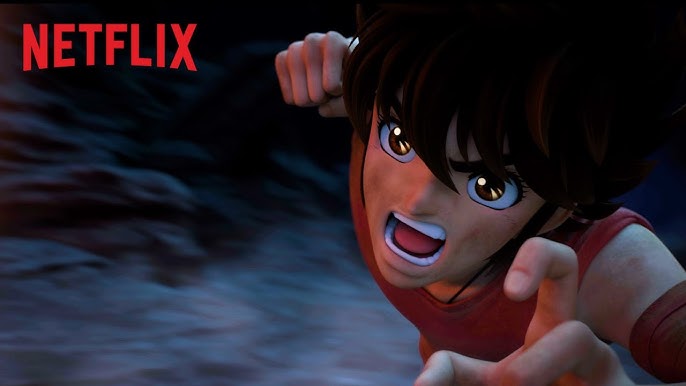
Image source: YouTube
What Is the Knights of the Zodiac Saint Seiya Series on Netflix?
The series currently available on Netflix, officially titled SAINT SEIYA: Knights of the Zodiac, is a Japanese-American Original Net Animation (ONA). Produced by Toei Animation, directed by Yoshiharu Ashino, and written by Eugene Son, it serves as a modern retelling of the classic manga rather than a direct sequel or continuation of the 1980s anime.
The narrative follows a young orphan named Seiya who discovers he is destined to become the Pegasus Knight. He joins a brotherhood of warriors known as the Bronze Knights, who harness a mystical energy called "Cosmo" to summon powerful armor. Their primary mission is to protect Sienna, the modern reincarnation of the Greek goddess Athena, from dark forces seeking to destroy humanity. For Seiya, the journey is also deeply personal, as he uses his newfound status to search for his abducted sister, Patricia.
The Netflix Release Structure
Netflix currently hosts Season 1, which consists of 12 episodes. This season was released in two distinct batches, which has led to some ongoing numbering confusion within the fandom:
- Part 1 (Episodes 1-6): Released globally on July 19, 2019. This arc covers the Galaxian Wars and the introduction of the Black Knights.
- Part 2 (Episodes 7-12): Released on January 23, 2020. This arc covers the conflict with the Silver Saints and sets the stage for the journey to Sanctuary.
Because Netflix split the first 12 episodes into two drops, some viewers mistakenly refer to the second half as "Season 2." However, officially, these 12 episodes comprise a single, unified first season.
Why Is Saint Seiya Knights of the Zodiac Season 2 Not on Netflix?
The most common point of frustration for viewers is reaching the end of Episode 12, seeing a massive cliffhanger as the Knights prepare to enter the Sanctuary, and finding no "Next Episode" button. This is due to a highly unusual licensing shift in the streaming industry.
Despite being branded and funded initially as a "Netflix Original," the production rights for the subsequent arcs were acquired by Crunchyroll. According to industry tracking and production records, the series continued production under Toei Animation, but the international distribution model changed entirely.
To continue the story, you must switch platforms. Season 2 (subtitled Battle for Sanctuary) premiered on Crunchyroll in July 2022. Season 3 (subtitled Battle for Sanctuary - Part 2) began airing on Crunchyroll in April 2024. These seasons cover the iconic Gold Saint arc, where the Bronze Knights must climb the 12 houses of the Zodiac.
This platform migration creates a disjointed viewing experience. Netflix retains the exclusive rights to the first 12 episodes, meaning Crunchyroll cannot stream the beginning of the story, and Netflix cannot stream the continuation. Viewers must utilize both platforms to watch the complete CG narrative.
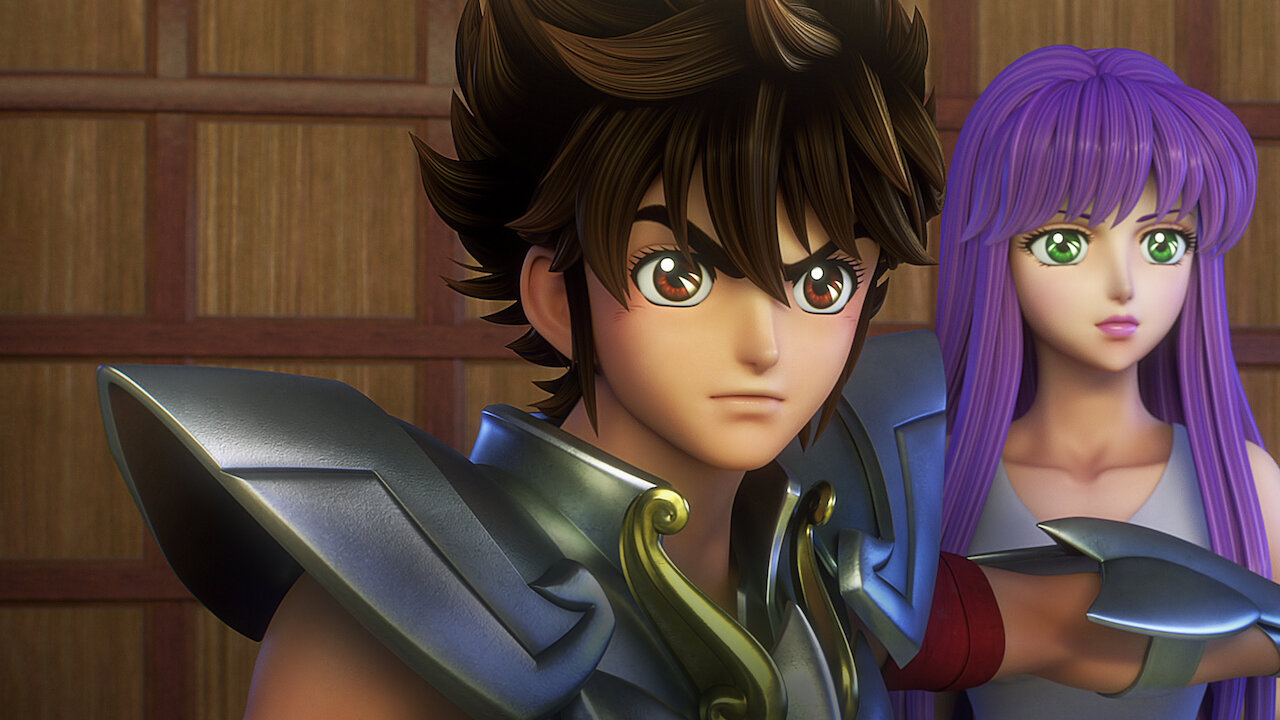
Image source: Netflix
How the Netflix Version Differs from the Original 1986 Anime
The 2019 ONA is not a 1:1 remake of the 1986 anime. The writers made several significant narrative and thematic changes to modernize the story for a global audience. These changes generated substantial debate within the community, with many long-time fans expressing dissatisfaction with the new direction.
The "Shaun" Gender-Swap Controversy
The most widely discussed alteration is the gender-swapping of Shun, the Andromeda Knight. In the original manga and 1986 anime, Shun is a male character known for his gentle nature, reluctance to fight, and emotional vulnerability. He was widely regarded as a stereotype-breaking male figure in 1980s shonen anime.
In the Netflix version, the character is reimagined as a female Knight named Shaun. Series writer Eugene Son stated this change was made to introduce more female representation into the core team of Bronze Knights, which was originally entirely male. However, as documented by community wikis and fan forums, the decision faced heavy backlash. Critics argued that turning the only emotionally sensitive, pacifist male character into a woman inadvertently reinforced traditional gender stereotypes rather than breaking them.
Technology vs. Mythology: The Introduction of Vander Graad
The original Saint Seiya is deeply rooted in Greek mythology, with conflicts driven by gods, prophecies, and the mystical power of Cosmo. The Netflix series introduces a brand-new antagonist named Vander Graad, who shifts the narrative toward science fiction.
Vander Graad is a former associate of Sienna's grandfather who believes humanity should not rely on fickle gods for protection. He utilizes advanced technology to artificially replicate Cosmo, creating a private military force and outfitting his "Black Knights" in mechanical power suits rather than mystical armor. This "Science vs. Magic" dynamic is entirely unique to the 2019 retelling and fundamentally changes the tone of the early arcs.
Tone, Pacing, and the "Sanitized" Action
The 1986 anime is famous for its intense melodrama—often compared by fans to a "Mexican Telenovela"—and its high levels of blood and physical violence. Characters frequently endured brutal, drawn-out battles that tested their absolute physical limits.
According to viewer reviews on IMDb, the Netflix adaptation features a much faster pace and significantly sanitized action. The emotional tension is often truncated to fit the shorter 12-episode format, and the violence is toned down to meet modern, broader demographic broadcasting standards. Additionally, the iconic orchestral soundtrack by Seiji Yokoyama was replaced with a modern score, though the series does feature an English cover of the classic theme song "Pegasus Fantasy" by the British rock band The Struts.
Comparing the 2019 CG Series to the 2023 Live-Action Movie
Adding to the confusion for casual viewers is the presence of a live-action film, also titled Knights of the Zodiac (or Saint Seiya: The Beginning in some regions), released in 2023. Depending on your region, this film may also appear on Netflix, leading users to wonder if it connects to the CG animated series.
They are completely separate adaptations. The 2023 live-action film, starring Mackenyu as Seiya, Madison Iseman as Sienna, and Sean Bean as Alman Kido, is a standalone Hollywood-style origin story. It condenses the initial discovery of Cosmo and the battle against Vander Graad (who also appears in this version, played by Famke Janssen) into a single two-hour feature.
| Feature | 2019 CG Series (ONA) | 2023 Live-Action Movie |
|---|---|---|
| Format | 3D CG Episodic Series | Live-Action Feature Film |
| Seiya Actor | Bryson Baugus (English Voice) | Mackenyu (Live Actor) |
| Scope of Story | Galaxian Wars through Sanctuary Arc | Origin Story / The Beginning Arc only |
| Streaming Home | Netflix (S1) / Crunchyroll (S2+) | Varies by region (Starz, Netflix, VOD) |
| Visual Style | Stylized Anime 3D | Heavy VFX / Hollywood Action |
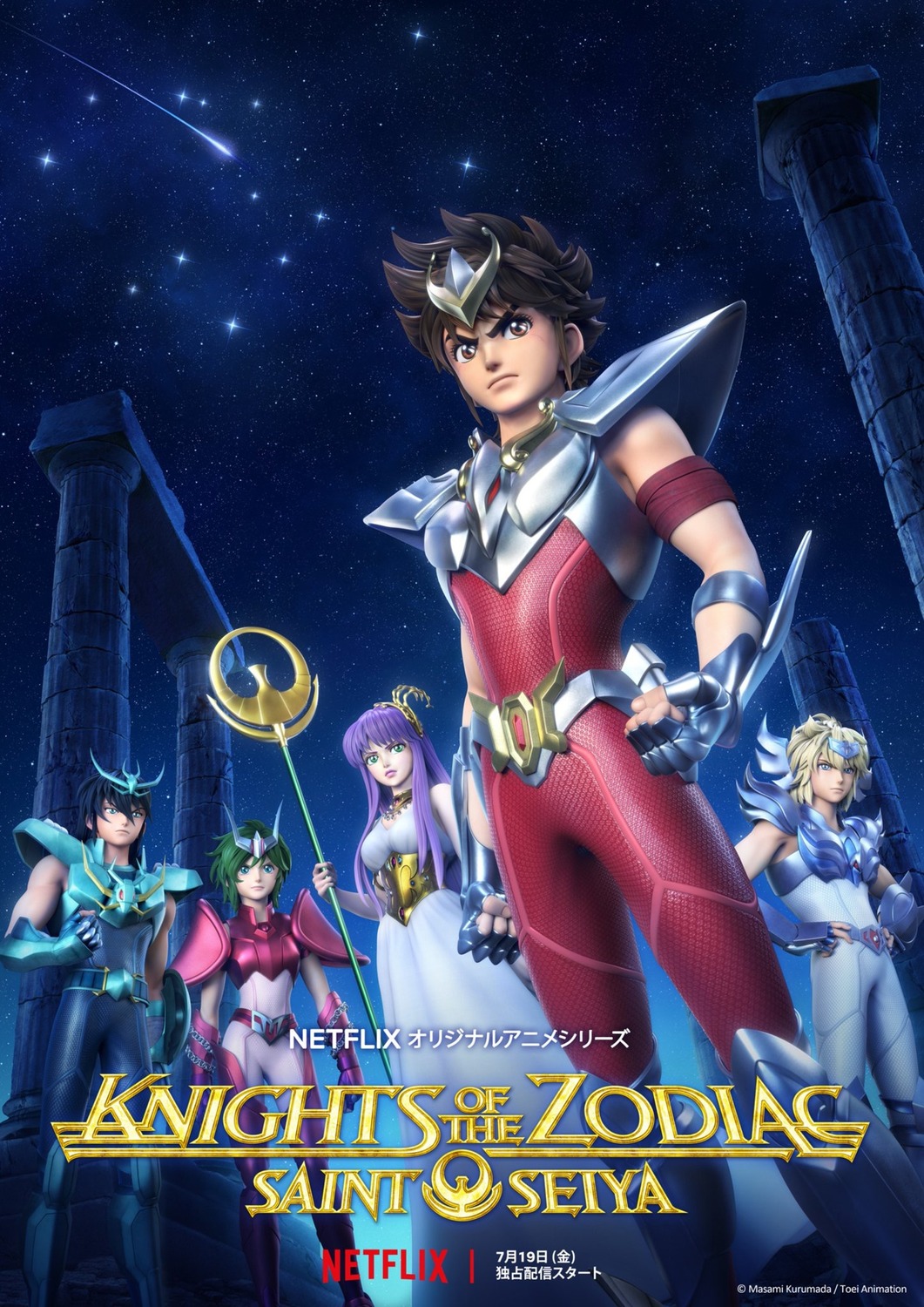
Image source: IMDb
The Recommended Order to Watch Every Saint Seiya Series and Movie
Because the franchise has been rebooted, spun off, and retold multiple times over the last four decades, deciding where to start can be intimidating. Based on community watch guides, viewers generally fall into one of four distinct paths depending on their tolerance for older animation and their time commitment.
For those who want the full emotional depth and classic lore, start with the 1986 Original Anime (114 episodes). This covers the Sanctuary, Asgard (filler, but highly regarded), and Poseidon arcs. Follow this immediately with the Hades OVA series (31 episodes) to conclude the main manga storyline. This path requires a massive time investment but is widely considered the most rewarding.
If you prefer modern animation and faster pacing, follow the current CG continuity. Start with Netflix Season 1 (12 episodes). Once finished, immediately switch to Crunchyroll for Battle for Sanctuary (Season 2 and Season 3). This path is currently ongoing and offers a streamlined version of the classic arcs.
If you want to understand the hype around the famous "Sanctuary Arc" but only have two hours, watch the 2014 CG film Saint Seiya: Legend of Sanctuary. It compresses the entire 12-house Gold Saint battle into a single, visually spectacular (though narratively rushed) movie.
If you are entirely new to anime tropes and prefer Western action cinema, the 2023 Live-Action film serves as an isolated entry point. It requires no prior knowledge of the franchise, though it diverges heavily from the source material's tone.
Key Characters and Their Modern Reimagining
The Netflix adaptation makes subtle but impactful changes to the core cast's motivations and personalities to fit the condensed runtime.
Seiya (The Pegasus Knight)
In all iterations, Seiya is the hot-headed, determined protagonist. However, the Netflix version places a much heavier, immediate emphasis on his search for his sister, Patricia. His initial reluctance to join the Knights is more pronounced, framing him initially as a skeptical modern teenager rather than a willing disciple of martial arts.
Sienna (Athena)
Known as Saori Kido in the original Japanese version, Sienna is the reincarnation of Athena. The 1986 version portrayed her early on as a spoiled, somewhat cruel heiress who slowly matures into a benevolent goddess. The 2019 Netflix version accelerates this character development, presenting her almost immediately as a compassionate, burdened leader aware of her divine responsibilities and the danger she poses to her protectors.
Vander Graad (The Tech Villain)
As mentioned earlier, Graad is an entirely original creation for the modern retellings (appearing in both the 2019 ONA and the 2023 live-action film). His philosophy—that humanity must defend itself using science rather than relying on the whims of mythological gods—adds a layer of ideological conflict that was absent in the purely mystical original series. He serves as a narrative bridge, giving the Bronze Knights a physical, human army to fight before they face the true supernatural threats of the Sanctuary.
Frequently Asked Questions
Final Thoughts
The 2019 Knights of the Zodiac series on Netflix serves as an accessible, visually modernized entry point into a massive, decades-old franchise. While it makes controversial changes to the lore and pacing, it successfully introduces the core concepts of Cosmo and the Bronze Knights to a new generation. However, the fragmented streaming rights mean Netflix is only the starting line, not the complete journey.
- Netflix only has Season 1: You will only find the first 12 episodes (Galaxian Wars and Silver Saints arcs) on the platform.
- Switch to Crunchyroll for the rest: To watch the iconic Gold Saint battles in Season 2 and Season 3, you must move to Crunchyroll.
- Expect major story changes: The Netflix version introduces sci-fi elements (Vander Graad) and gender-swaps a main character (Shaun), diverging heavily from the 1986 original.
- Live-action is separate: The 2023 movie starring Mackenyu is a standalone Hollywood adaptation, not a continuation of the CG series.
- The original remains highly regarded: For the deepest emotional narrative, community consensus still points to the 1986 2D anime as a top-tier option.